
Exploring the Enchanting Realm of VikingsMystery
Dive into the world of VikingsMystery, a captivating game where players can experience the thrill of Viking adventures and deciphering enigmatic mysteries.


Mahjong is a traditional Chinese game that has captivated hearts across generations, thriving from its 19th-century origins in China to becoming a beloved pastime worldwide. It is a game that combines skill, strategy, and calculation with an element of chance. The cultural significance of Mahjong is immense, symbolizing social harmony and cultural heritage in many Chinese communities.
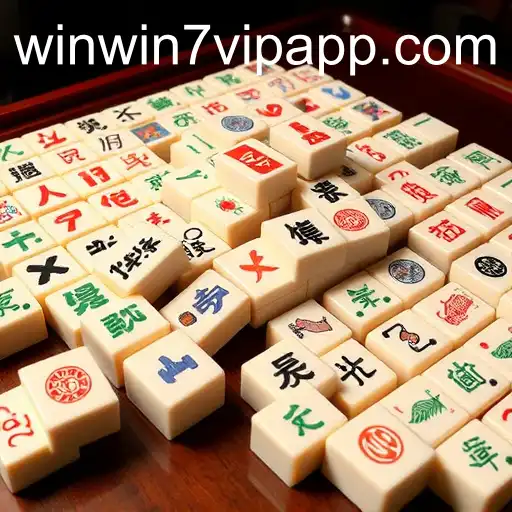
At its core, Mahjong is played with a set of 144 tiles based on Chinese characters and symbols. The objective is to build a winning hand, typically consisting of four sets of three tiles and a pair, following a certain set of rules. What distinguishes Mahjong from many other games is its reliance on memory and strategic planning.
Each Mahjong set contains three suits: Bamboo, Characters, and Dots, plus Honor and Bonus tiles. The suits range from numbers one to nine, each represented multiple times. The Honor tiles consist of winds (East, South, West, North) and dragons (Red, Green, White), adding layers of complexity to the game. The Bonus tiles include Flowers and Seasons, providing extra points or benefits under specific rules.
Mahjong is typically played by four players. The game starts with the building of the 'wall' with the tiles, then players draw and discard tiles in turns, aiming to form a legal hand. Winning a hand can be achieved through various methods like 'Pong' (a set of three identical tiles), 'Chow' (a sequence of three consecutive numbers in the same suit), or 'Kong' (four identical tiles).
Throughout Asia, there are several variations of Mahjong, reflecting regional preferences and cultural nuances. From the intricate scoring systems of Japanese Riichi Mahjong to the simplified versions popular in the United States, each variation offers a unique challenge and experience. One popular variant is the Cantonese style, known for its flexibility and strategic emphasis.
Mahjong has also developed a competitive scene, with tournaments held globally to crown the best players. Organizations like the World Mahjong Organization and various national bodies standardize rules for international competition, promoting a unified approach to competitive play. Such events underscore the game's significant strategic depth and the diverse skills needed to excel.
Modern technology has transformed Mahjong from a purely social game into a digital experience. Platforms like winwin7.vip provide opportunities for enthusiasts to engage with Mahjong online by offering virtual game rooms and communities where players can connect and compete with others worldwide from the comfort of their homes. These online adaptations retain the essence of the game while making it accessible to a broader audience.
Strategy in Mahjong involves a deep understanding of both the potential hands your opponents might be building and the efficiency of your own tile combinations. Successful players often rely on probability and inference, gleaning clues from discarded tiles to inform their strategies. This analytical approach, combined with a keen memory for tracking played tiles, is why many liken Mahjong to games like Poker.
Mahjong's influence extends beyond the game table. It has permeated popular culture, influencing music, literature, and art. Its iconography and themes appear in movies, including classic films that depict its tense, strategic gameplay as a metaphor for life's challenges. Moreover, Mahjong-themed merchandise and spin-offs continue to reinforce its cultural footprint.
Mahjong is more than just a game; it's a community engagement tool. In many cultures, Mahjong gatherings transcend mere play, serving as opportunities for socialization and celebration, particularly during Chinese holidays and festivals. The game rooms foster camaraderie and mutual respect, allowing players to bond over shared traditions.
In summary, Mahjong is a game with deep historical roots and substantial cultural significance. Its strategic depth and social nature make it a compelling game that bridges generations. Whether played at a physical table or through online platforms like winwin7.vip, Mahjong remains a captivating blend of luck and skill that continues to enchant players globally. For anyone eager to explore this timeless game, the world of Mahjong offers endless challenges and rewards. Discover the fascinating world of Mahjong and join a community of enthusiastic players worldwide.
If you're looking for a reliable, fully licensed, and secure sportsbook with a wide selection of games, winwin7.vip is the perfect choice. We're committed to providing you with the best online betting experience, with premium quality, excellent service, and continuous innovation. Sign up now and receive ₱777 for free!
Join now
Get the latest information, experience and betting strategies from the expert team at winwin7.vip.
Dive into the world of VikingsMystery, a captivating game where players can experience the thrill of Viking adventures and deciphering enigmatic mysteries.

Dive into the immersive world of SolditBonusBuy, an enthralling gaming experience available on winwin7.vip, where players can explore intriguing dynamics and competitive strategies.

Explore the exciting world of CourierSweeper, a game that blends strategy, action, and current tech themes. Navigate through its unique rules and gameplay dynamics.
Explore the captivating game Dragon, its introduction, gameplay, and rules, through the lens of current events and trends.

Discover the captivating game of 6Toros and learn its rules and strategies while connecting to current gaming trends and events.

XDemonBonusBuy offers an exhilarating gaming adventure, combining captivating visuals, innovative gameplay, and the excitement of bonus features, making it a standout choice on winwin7.vip.
 Join now